Pharmaceutical Expertise Areas of Expertise Methods Audits & Approvals History
 
line Atlantic Analytical Laboratory Home line Sample Submission line Contact Atlantic Analytical Laboratory
 

Pharmaceutical Impurities - Q3C: Residual Solvents


Residual solvents in pharmaceuticals are defined here as organic volatile chemicals that are used or produced in the manufacture of drug substances or excipients, or in the preparation of drug products. The solvents are not completely removed by practical manufacturing techniques. Appropriate selection of the solvent for the synthesis of drug substance may enhance the yield, or determine characteristics such as crystal form, purity, and solubility. Therefore, the solvent may sometimes be a critical parameter in the synthetic process.

Since there is no therapeutic benefit from residual solvents, all residual solvents should be removed to the extent possible to meet product specifications, good manufacturing practices, or other quality-based requirements. Drug products should contain no higher levels of residual solvents than can be supported by safety data.

Testing for residual solvents in drug substances, excipients, and drug products should be performed when production or purification processes are known to result in the presence of such solvents. It is only necessary to test for solvents that are used or produced in the manufacture or purification of drug substances, excipients or drug products.


Analytical Procedures

Residual solvents are typically determined using chromatographic techniques such as Gas Chromatography (GC). Any harmonized procedures for determining levels of residual solvents, as described in the pharmacopoeias, should be used if feasible. Otherwise, manufacturers would be free to select the most appropriate validated analytical procedure for a particular application.

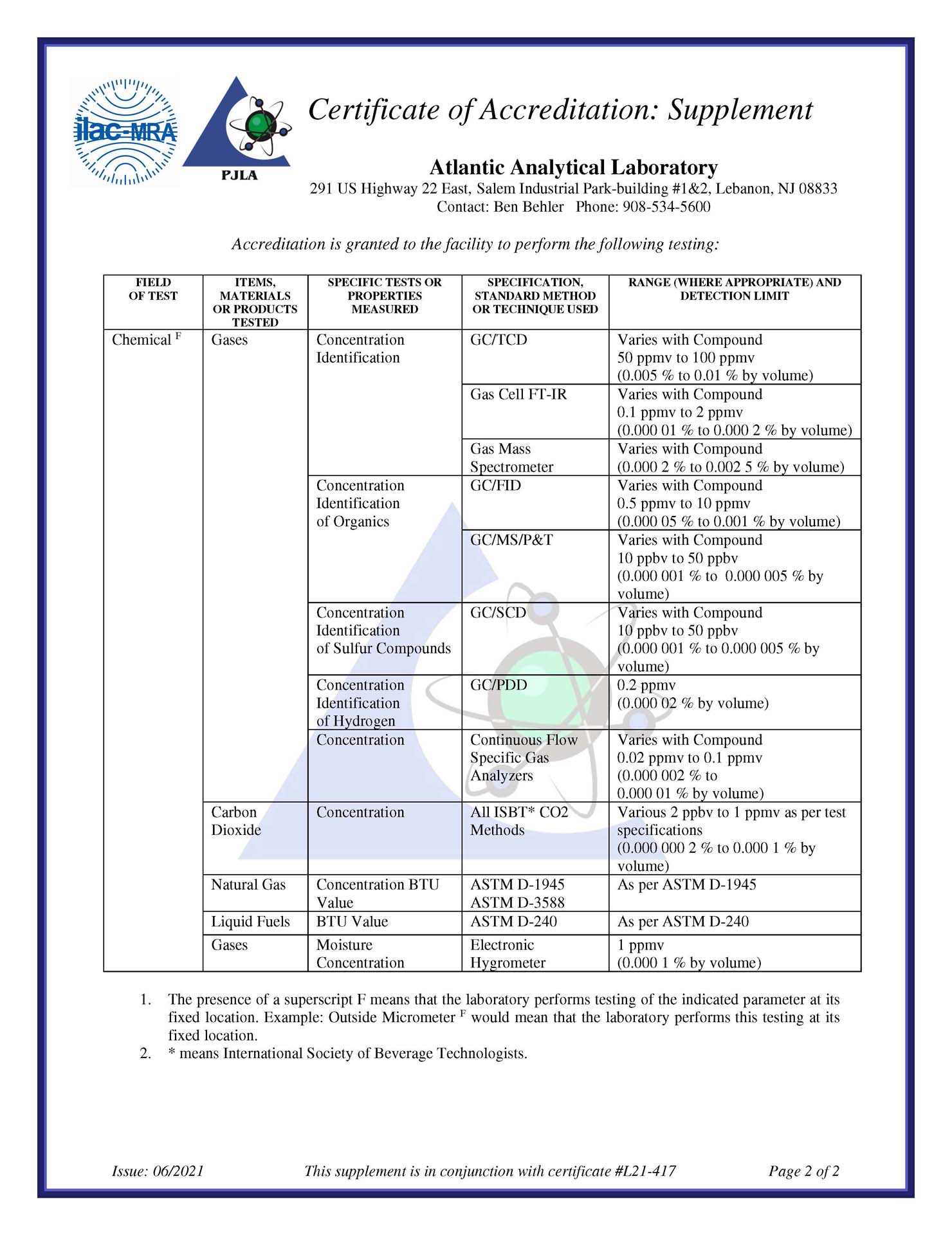
Atlantic Analytical is well positioned to perform this kind of testing with its 40 plus years of Gas and Volatile Testing expertise, often down to an LOQ in the parts-per-billion (ppb) range.


Solvents to Be Avoided

Solvents in Class 1 should not be employed in the manufacture of drug substances, excipients, and drug products because of their unacceptable toxicity or their deleterious environmental effect. However, if their use is unavoidable in order to produce a drug product with a significant therapeutic advance, then their levels should be restricted as shown in the list below, unless otherwise justified.


Class 1 solvents in pharmaceutical products

Benzene
Carbon Tetrachloride
1,2-Dichloroethane
1,1-Dichloroethene
1,1,1-Trichloroethane


Solvents to Be Limited

Solvents in Class 2 should be limited in pharmaceutical products because of their inherent toxicity.


Class 2 solvents in pharmaceutical products

Acetonitrile
2-Butanol
Chlorobenzene
Chloroform
Cyclohexane
1,2-Dichloroethene
Dichloromethane
1,2-Dimethoxyethane
N,N-Dimethylacetamide
N,N-Dimethylformamide
1,4-Dioxane
2-Ethoxyethanol
Ethyleneglycol
Formamide
Hexane
Methanol
2-Methoxyethanol
Methylbutyl ketone
Methylcyclohexane
N-Methylpyrrolidone
Nitromethane
Pyridine
Sulfolane
Tetralin
Toluene
1,1,2-Trichloroethene
Xylene*

*usually 60% m-xylene, 14% p-xylene, 9% o-xylene with 17% ethyl benzene


Solvents with Low Toxic Potential

Solvents in Class 3 may be regarded as less toxic and of lower risk to human health. Available data indicate that they are less toxic in acute or short-term studies and negative in genotoxicity studies, and will not be listed herein.


Back to top